reads 1
CultureWeekly Reads

reads 1

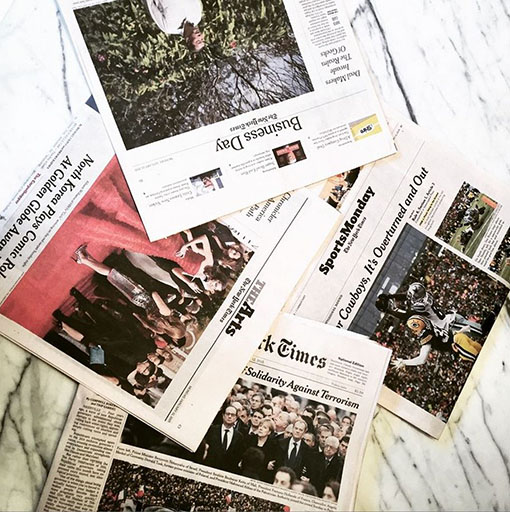
These are the articles #TeamCarpe read and loved this week. What did you enjoy reading?

Inspire

A great response to a bully? “I love what you’re wearing.” This is what a teenager from Oregon is teaching kids: how to battle bullying with kindness.

Save

Love being online? Being plugged-in for hours on end can cost you.

Sleep

Having trouble falling asleep? Use the 4-7-8 breathing trick.

Read

The Science of Shakespeare: A New Look at the Playwright’s Universe by Dan Falk examines how Shakespeare was influenced by observational astronomy. Shakespeare and science? Looks like a fascinating read to us!

Innovate

This TED talk from Jack Andraka, a teenager who developed a promising early detection test for pancreatic cancer, is sure to inspire you.

Try

Try these seven habits of optimistic people. Who knows, you might just find yourself smiling more!

Image: Carpe Juvenis

mariannicepeople
CultureSkills

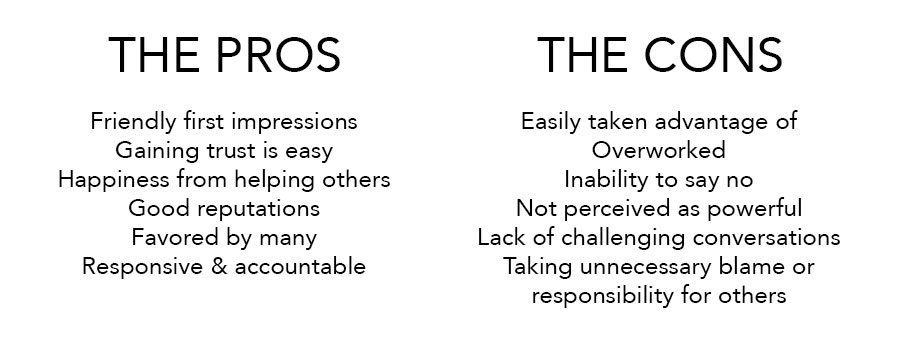
Oh, the plight of being nice. Kind. Polite. Harmless. Growing up, you’ve been told to put others first and give more than you receive. And kudos to all of the nice folks out there, you’re the heart-warmer of the group. The one that people go to for validation and encouragement. The one that would rather maintain harmony than cause a scene. People of the world appreciate nice people because of their willingness to help and listen. As a self-certified nice person, I will be the first to tell you that niceness, as fulfilling and pleasant as it may be, also comes with some serious baggage. Behold, the pros and cons of being nice:
DoNicePeopleFinishLast

The nice-person quandary is a tricky one. People begin to expect a certain level of empathy and consideration at all times. Think about the co-worker who assumes you’ll always take more work, or the peer that seems to always direct their favors to you, certain that you’ll make time for them. This makes being innately compassionate a draining distinction. It’s because of this that nice people finish last, in a sense that they put everyone before themselves. While the kindness gene in your body is screaming for you to save the world, there are situations in which you’d be better off passing up or confronting. So, how can you stay true to your caring nature yet create an air of authority?

Surround yourself with people that operate with a competitive edge.

They say you are the average of the 5 people you spend the most time with. Now this doesn’t mean you should outright ditch your core friend group, but spend more time than you usually would with people who react differently than you do. Try to examine how other people decline requests. Do they feel the need to explain why they are saying no? Are they steady in their response and apologetic only when need be? Know your boundaries when accepting opportunities to provide help. It’s also essential to command a presence that says you do more than just support, you can lead. Observe as many leadership styles as possible. Listen to how leaders at work, school, or in your community balance being assertive with being respected.

Maintain focus on your needs to succeed.

And furthermore, don’t feel guilty about it.

Nice people feel torn between serving others and tending to their own needs. If we start doing things that only benefit ourselves, we assume it’s out of selfishness. This is the nice person’s kryptonite. Realize that making yourself a priority is not selfish, but a sign of decisiveness and self-love. It is a true gift to be a thoughtful and intentional person. Keep that essence but be firm in your kindness, and never forget that being nice to yourself is a very good thing.

Image: Unsplash

angelacards
Culture

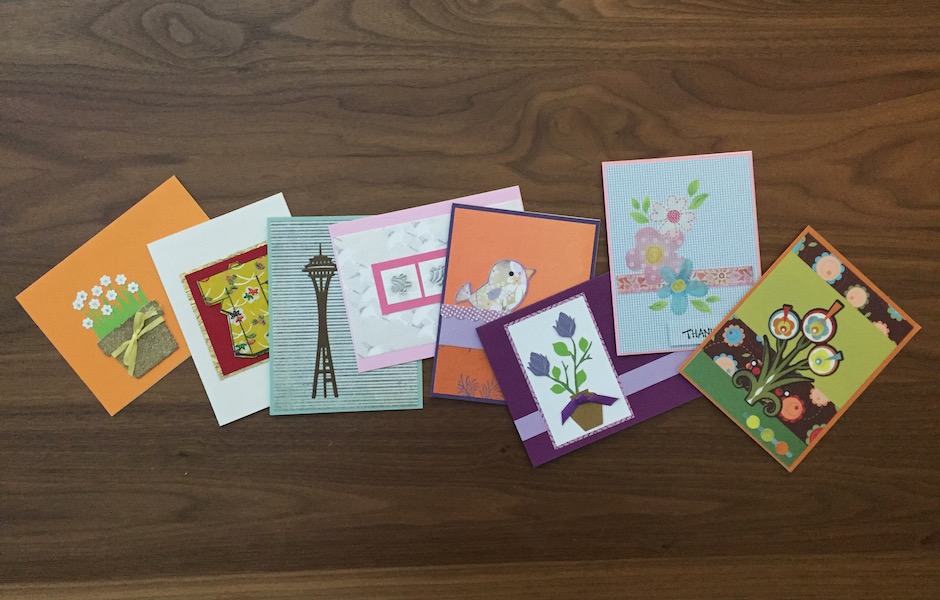
February 7th is National Send a Card to a Friend Day. I know it might seem like an excuse to sell greeting cards, but let’s not let that detail overshadow what good it can do. This blast from the past could be just the thing you need in the present. Wouldn’t you like to get a card in the mail?

Technology has evolved rapidly over the years. We can contact someone via email, Facebook, Skype, text and even more forms of social media. In dire situations, we call someone. We are essentially used to getting an immediate response from people. While that can be incredibly useful, speediness doesn’t necessarily need to be the most important thing in every situation.

Think of how you would feel getting something in the mail other than a bill or an advertisement. Did you ever get love letters in high school because texting wasn’t allowed in class? Or even get a nice note from a friend? I still have these treasures and they are nice to look back on. You are instantly transported to where you were in your life and the people you surrounded yourself with. It can be invaluable to have something substantial in front of you. You can take time to gather your thoughts and really put meaning into a letter or a card. Unlike a text that will get lost in a million others, letters have a better chance of standing the test of time.

We have forgotten how easy it is to do this. Here are a few benefits to sending a card:

  1. You only need a few supplies. All you need is a pen, a card or paper, an envelope and a stamp. You probably have all this stuff at home. If not, they are extremely easy to get.
  2. You can be as creative as you want. You could make a card from scratch and decorate it yourself.
  3. Don’t forget the message. You can also send an e-card if that is easier. The true point is to reach out to those closest to you. This an opportunity to make a lasting statement to someone. Don’t waste it. This is a way to show someone you are thinking of them on a day other than their birthday or a holiday.

So take the time to reach out to a friend. It’s never a bad time to do so. You might even brighten someone’s entire day. It’s a surprise that no one is expecting.

kindness
Culture

There is a quote by Aesop which says, “No act of kindness, no matter how small, is ever wasted.” I have never seen that statement disproved. I am sure you have seen those articles on the Internet claiming to restore your faith in humanity by mentioning a few random acts of kindness. A random act of kindness is simply helping others without being asked. Reading about these wonderful moments can be pleasant, but being a part of them can be even more enjoyable. Many people like accepting gifts from others, but doing nice things for others can be just as rewarding.

You never know when a simple act can brighten someone’s day. It can be easy. My father will sometimes surprise me by buying me breakfast, just because he’s thinking of me. Kindness can mean just as much coming from a stranger. All people deserve to be cared for. Thinking of someone else’s happiness for even a moment can make them feel cared for.

Doing a random act of kindness can actually make you feel better, as well. It is hard to see anyone suffering. If you are able to help anyone, it could lift you up. Helping someone could be as easy as giving someone a milkshake on a bad day, giving someone your seat on the bus, or donating your hair to Locks of Love. Even something as little as buying a sandwich for someone who is starving will cost you very little, but will help someone else a lot. Through my experiences and stories from others, I know that whenever you help someone out, it stays with you. Giving joy and seeing joy can make you happy. It’s as much a gift to you as it is to someone else.

Take the time to help someone else. Don’t wait for someone to ask you to step up when you see someone in need. A kind act can be uplifting for everyone involved. Find your way to help and do it. There is a website called The Random Acts of Kindness Foundation which carries ideas to help others. It also features stories of when people were helped or when they helped others. It just might inspire you in time for World Kindness Day on November 13. So, why wait? You can’t lose. Just remember that even the smallest act can have a grand effect on someone.

When have you done a random act of kindness?

Image: Jennifer