KC 5
SpotlightYouth Spotlight

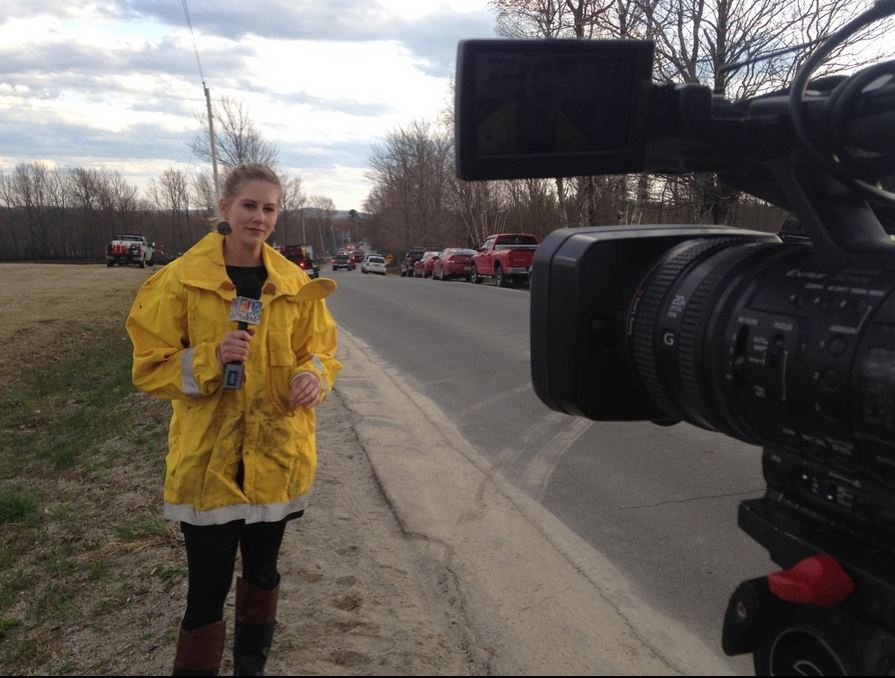
We met Kaitlyn Chana because we all did the same program, The Congressional Award, and we reached out to talk to her more about what she did to earn her Gold Medal from Congress. Little did we know at the time how ambitious and accomplished Kaitlyn is. She currently works as a Multimedia Journalist at the NBC affiliate WLBZ in Bangor, Maine. Kaitlyn covers a range of stories, develops sources, delivers news to an online audience, and provides dynamic live coverage, among many other duties.

Kaitlyn has also run her own non-profit organization, so she knows very well how important time management and being organized is for success. Kaitlyn is generous with her time and advice, and it is clear how passionate she is about helping others. Read on to learn more about what it means to be a multimedia journalist, what it was like running a non-profit, and what advice she would give to her younger self.

*Fun fact about Kaitlyn - she is profiled in our book, Youth’s Highest Honor!

Name: Kaitlyn Chana
Education:
B.A. Radio-Television from the University of Central Florida
Follow:
@KaitlynChana / KaitlynChana.com

Kaitlyn Chana: For me, it means taking advantage of the opportunities around you. Be a go-getter; go after your dreams by putting yourself out there so you can learn and prosper. As a teen, stretch your resources, push your personal boundaries, and challenge yourself daily. No one can teach you about yourself, except you.

CJ: You studied Broadcast Journalism and Radio/Television at University of Central Florida. How did you determine what to study?

KC: Since 6th grade, I’ve wanted to be a storyteller. As a reporter, you need to build rapport and trust while informing the public and providing objective standpoints surrounding the community. I’ve always wanted to tell stories for a living. Journalism fuels my curiosity of wanting to know more, so in college I couldn’t get enough of it. I’ve always known that journalism is my calling. Everyone in life has a personal story of excitement, love, desperation, hurt or a driven message. I want to be the journalist who strives for purpose, bringing truth, and helping others to open their hearts.

CJ: You have held many internships in journalism at places such as TODAY Show in New York City and WKMG in Orlando, Florida. What were these experiences like?

KC: Internships are key. I gained so much insight by observing and making mistakes. Yes, mistakes will happen, and that’s normal. But it’s important you learn from these mistakes so it doesn’t become a repeat offence. Interning at the TODAY Show was remarkable. I was involved in the news gathering process, setting up interviews, researching and working with the talent. Local markets, like WKMG in Orlando, taught me how to write short and concise stories. TV is all about sound, video, and images. Creativity is important in the news industry.

KC 2

CJ: You earned the Congressional Award Gold Medal in 2010. How did you get involved with the Congressional Award and what was your biggest takeaway from the experience?

KC: I found this program intriguing because it allowed me to set and achieve goals that build character, foster community service, personal development and citizenship. This three-year commitment propelled me to become a motivated goal setter while being an interactive team player. I learned how to sculpt my schedule so I could juggle all my responsibilities. My greatest takeaway is balancing my activities and managing my time.

CJ: You are the Founder and President of Love Letters: Random Cards of Kindness. What inspired you to start this international non-profit organization, and what does your role entail?

KC: My inspiration came from an extraordinary woman named Linda Bremner, who founded Love Letters Inc., when her son, Andy, battled cancer. Having participated in a Girl Scout activity for Love Letters, Inc. years earlier, I revisited it when I needed to complete a community service project in eighth grade. After contacting Linda through email and phone conversations we formed a very meaningful friendship. At the close of one of our phone conversations she told me, “It only takes one person to move a mountain and then others will follow.” While I didn’t know exactly what she meant at the time, I wrote her beautiful quote in my book to always remember. Shortly after that, I received word that Linda had passed away and at her request the national organization, Love Letters Inc., was closed. My hands gravitated to Linda’s quote and I instantly realized that it was my turn to be the one to move the mountain to help children with medical challenges. It then became my passion to carry on Linda’s legacy by encouraging others to create inspiring homemade cards for children with life-threatening illnesses.

So, in high school I became the Founder and President of Love Letters: Random Cards of Kindness, Inc. which was a 501 (c) (3) non-profit national organization whose mission was to create positive and inspirational homemade cards for children with life-threatening illnesses. Each card was unique because it was created by hand using stamps, stickers, scrapbook paper, and art supplies. Inside each one an uplifting message such as “Sending You a Great Big Hug” or “You Shine like a Star” was written to give children faith, courage and the will to survive.

Once the cards were created, I’d examine each card and hand deliver some to individual children going through the difficult times of treatments and surgeries and others to hospitals and organizations such as Give Kids the World, the Ronald McDonald House, and Keiki Cards so they could distribute the sincere messages. The remaining cards were sent with love through the mail to help lift children’s spirits. Doctors can’t prescribe love; it’s typically left to a volunteer to fill this prescription by restoring the patient’s dreams. Through Love Letters cards we were able to touch the lives of 120,000 children with life-threatening illnesses. I had to close the organization because I couldn’t continue the success of our mission and my full-time reporting job. My passion is in telling stories and I want to inspire people with my pieces, so all my energy is devoted to reporting.

CJ: How did you go about starting a non-profit organization, and what do you wish you had known before launching?

KC: Starting a non-profit is truly like running a small enterprise business. It’s a lot of work, yet with the right tender, love and care the imaginable is possible. I took a non-profit course during my high school years so I could have a strong understanding of the legal documents associated with my organization. My responsibility not only centered around the actual volunteering, but also the finances, management, recruiting of volunteers, working on grants, marketing my mission, and being an active presence with the organization’s brand. It was a 24/7 job.
KC 6

CJ: In addition to running Love Letters, you are a multimedia journalist. What does it mean to be a multimedia journalist?

KC: A multimedia journalist or ‘one-man-band’ means you do the job of four people as one person. I have to enterprise my own story ideas, interview my subjects, write, edit, anchor that portion, write a web story, and have a strong social media presence. That’s all in a day’s work. It’s not an easy job by any stretch of the imagination because there are many deadlines. Deadlines can be your best friend or worst enemy. You always want to stay ahead of the clock. You need to be tech savvy; sometimes I edit my stories in remote places and feed the content back to the station. Also, I set up my own live shots and lights for when I’m going live in the field.

CJ: What advice do you have for youth who are interested in being journalists, or who are interested in starting their own non-profit organization?

KC: Never give up! Always follow your dreams and passion. Don’t let negative comments steer you into a direction you disagree with. There will be days when you feel like you’ve been run over by a semi-truck. That’s when you are going to be tested the most. So, pick yourself up, get back on track and keep going.

CJ: Every day in your life must be different depending on school and the time of year, but what does a Monday look like for you?

KC: Currently, I work as a reporter for an NBC affiliate in Bangor, Maine. There is no general day! Every day is different depending on the story. Sometimes it’s an early morning live shoot covering breaking news or staying late to interview someone. The only thing that is constant is that we are live in our news shows from 5PM to 6:30PM. And I need to be ‘camera ready’ and look well-rested… news never stops and neither does my job. Every Monday is different. Once I go to bed, I get up the next day and get ready for another unpredictable day.

CJ: How do you stay organized and manage your time?

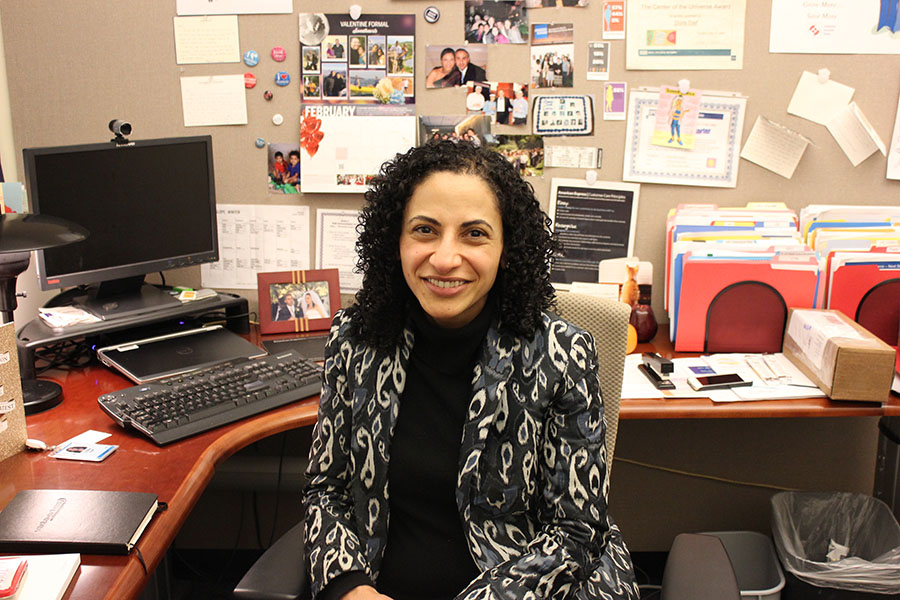
KC: Organization is key. If I wasn’t organized then I wouldn’t be effective or efficient, and I’d be left behind in my job. I’m very meticulous, to the point that everything in my office is color-coded and in similar binders and folders. My life revolves around calendars and sticky notes.

KC 4

CJ: What is an area, either personal or professional, that you are working to improve in and how?

KC: At heart, I’m a perfectionist. I want everything to be perfect. But, how do we define perfection? I remind myself daily that being perfect all the time dampers the beauty of life. In reality, I want to be imperfectly perfect.

CJ: What is a book you read in school that has positively shaped you?

KC: In third grade, I read The Bravest Dog Ever: The True Story of Balto, and it was almost as if the words on the page were speaking to me. The frigid temperatures, walloping snow, and miserable wind kept hounding lead dog, Balto, as he carried medicine to sick children miles away in Nome, Alaska. These incredible athletes were inspiring and moved me to want to be a musher in the Iditarod. For years, I studied the race, the remarkable dogs, and their mushers. As a reporter, I covered the Can-Am Crown 250 this year, which is a qualifier race for the Iditarod. I was beside myself as I got to see the sport in its entirety right before my eyes. A surreal experience; it started because of this book.

CJ: Having a loaded schedule can sometimes be overwhelming. What do you do when you’re having a bad day and need to unwind or reset?

KC: Each day I allot time for me; to work out, read a compelling story, spend time with family/friends, or do something life-affirming. Structure is fantastic, but you have to have a little ‘wiggle room’ to breath and let lose. On those sour days, it’s important for me to break down my walls and do something physical. I reflect on my actions best when working out on the Stairmaster.

CJ: What advice would you give your 15-year-old self?

KC: Don’t rush yourself into growing up. Appreciate the ‘present’ and be in the ‘present.’ Learn to enjoy developing into the woman you’d like to see. It won’t happen overnight, so as you take detours and back roads reflect and appreciate all the avenues you’ve been given.

Kaitlyn Chana Qs

Images by Kaitlyn Chana

Chris Morgan outside
SpotlightYouth Spotlight

It’s always great meeting ambitious youth because it makes us motivated to do more. One of these go-getters is Chris Morgan, a student at the University of Washington and the director and founder of HuskyCreative. Chris is a writer, a musician, and a constant learner. He not only runs HuskyCreative, but he’s involved with the Pearson Student Advisory Board, works as a programmatic media specialist at Drake Cooper, and he somehow manages to find time to complete his homework. Oh, and did we mention that he is also writing a novel? We were fortunate to pick up some time management tips from Chris (note to selves: stock up on legal pads!), discover how he balances college with his jobs and activities, and hear more about what his post-graduation plans are. Chris seizes his youth, and he does it with a can-do, positive attitude. Now, get ready to take some notes…

Name: Christopher Morgan
Age: 21
Education: B.A. in Business Administration: Marketing from the University of Washington
Follow: HuskyCreative | Twitter

Carpe Juvenis: How do you define ‘Seizing Your Youth’?

Chris Morgan: Seizing your youth is about action. It’s about doing something. I know a lot of people who have great ideas, but the difference between the people who are hailed as seizing their youth and people who don’t is just the fact that they went and did something. Millennials are the generation to not get a job, so we made our own. I think that’s really cool – not the part about us not getting jobs – but we have the most entrepreneurs of any generation and we get out there and do things with our own ideas. Seizing your youth is doing something now.

CJ: You are majoring in Business Administration: Marketing at the University of Washington. What does this major involve and how did you determine what to study?

CM: I was originally a Music composition and Creative Writing double major. I wrote music a lot and it was going to be my career for the longest time, but as soon as I tried to make money off of it, I started getting really stressed out. It was hard for me to do creative work and have that be the way to put food on the table. I looked for other occupations that had that creative influence but wasn’t personal or my work really, and that’s how I found marketing. I can be creative but I still have time to do my personal creative work on the side. I made the major switch in the middle of my freshman year. It was a natural shift for me and it felt right. I was writing better as soon as I took that stress off.

CJ: What has been your favorite college class?

CM: I have two, for very different reasons. One is a branding class that I took this past year with a professor who really understood branding and how to talk to undergraduates. It was originally a graduate course, but he wanted to teach it to undergrads. He showed a lot of faith in young people. He said that there’s no difference between graduate students and undergraduates students, we just know less. Graduate students are earning their MBAs and have worked in the field, so they think that they know a lot. The cool thing about the class is that he knew we didn’t have that preemptive knowledge. We didn’t start class thinking we knew everything. We had an open mind and it was a really fun class.

The other class was one I took in Singapore. It was hard and awful. I learned so much from failing. I was in a foreign country and didn’t know anybody, and I did horribly in the class. But I know so much about that topic now – it was about Game Theory in terms of marketing and using strategic negotiation tactics. It was way above my head. But now we talk about it in classes, and I know more about it.

CJ: You studied abroad at the National University of Singapore. Why did you choose Singapore and how was that experience?

CM: I was between two options – I could go to Singapore or Sydney. I thought that Sydney was too close to the culture I had grown up in, and the culture I had never experienced before was Eastern culture. It was really the only opportunity where I could dive in and experience it. I chose Singapore, and I think it was completely the right decision. You learn so much about your own country and culture by visiting another. I understand education a lot better, actually. I got to see how Eastern culture education differs from Western culture education. That was one of the coolest things that came out of my experience, learning how two people can learn so differently.

Chris Morgan

CJ: You can speak Spanish fluently. What language-learning tips do you have for those who are interested in learning how to speak another language? Are there any other languages you want to learn?

CM: Yes, definitely! I want to learn Italian. When it comes to speaking a language, the only way to succeed is to speak the language. It’s about not being afraid to speak in front of other people. When you’re more confident in yourself and practicing a language, you will speak the language better. I think classes are better than a book and a tape because in classes you can talk to other people. If you do use a book or tape, talk to a friend or to yourself alone a lot.

CJ: You mentioned you work with Pearson. What is your involvement with them?

CM: I work for the Pearson Student Advisory Board, which is a board of students from around North America who have been selected to advise on education. Pearson recognizes that education will be changing with the new generation and technology. They are bringing in students to advise their development and business. I’ve really enjoyed it.

CJ: You were a programmatic media specialist at Drake Cooper, a marketing services company. What is a programmatic media specialist?

CM: Programmatic media is new form of media buying that is more personalized and digitally enhanced so we can learn about impressions. When you click on an ad, I can tell where you’re from, how much money you make, whether you have kids or a family, what kind of products you buy, etc. It allows companies to save money because they can pick who they send ads to. It’s more efficient for the companies, and in my opinion, better for the consumers because you’re not being spammed ads for things you don’t care about.

CJ: You have had multiple marketing internships. What experiences have been your favorite, and what were the biggest takeaways from those experiences?

CM: One of the more defining internships was the one I had at the Pacific Science Center in Seattle. It was one of my first internships, and the best thing that they ever did was let me have autonomy. They let me own something. They let me dictate the success or failure of a project. It teaches you a lot about taking ownership and being creative with your ideas. A lot of first internships entail getting coffee and managing a calendar. Having autonomy was important for me because it helped me understand how to be successful.

I worked on organizing events. I worked on live event marketing, and I got to take on projects by myself and have a real impact.

CJ: You are the Director and Founder of HuskyCreative, a not-for-profit advertising agency at the University of Washington AMA chapter. What responsibilities do you have as the Founder and Director?

CM: When I started HuskyCreative, I had worked in marketing but not advertising. I didn’t know anything when I started. I was the finance guy, the HR guy, and the Creative Director. It was such a growing experience. I was a totally different person then. It was such a ride. Our first client was Shell Oil, which was awesome and scary. We had no idea what we were doing, but we used that to our advantage because we created a campaign that nobody else had done.

We exclusively hire college students because their opinions aren’t tainted by past experiences. They have a fresh look, and that’s how we succeeded at first. Hiring the first people was new, managing finances, writing contracts, this was all new to me.

For what I do now, it’s pretty similar but it feels like less because I know what I’m doing. Instead of writing the first contract, I’m taking the contract I’ve already written. A lot of my work is managerial, and I don’t do a lot of ad work. But I love it, and it’s been really incredible. This next year we’re trying to build a collegiate network of creative agencies. We’ll be a support group for people who want to do what I do or who want a creative agency at their university. It’ll be a really exciting year for us.

Chris Morgan 2

CJ: You have one more year until you graduate. Is HuskyCreative something you want to do after you graduate?

CM: The goal of HuskyCreative is to be an experience for the students. The reason we started the agency is because of the first job paradox: “This is an entry level position, but we’d like you to have two years of experience.” When people graduate from school, they might not have that job experience and they might not have been taught the correct things about the ad world, so we wanted to create a place where students could get this experience.

I want somebody else to take my job because this experience shouldn’t just be my own. I hope that it continues on for many years. We built it to be sustainable over the years. We want to help people gain experience so that they can get a job.

CJ: Music is one of your passions. How does music play a role in your life?

CM: I started playing the piano when I was four, and when I was eleven I started playing the improv jazz saxophone. I write a lot of piano music, and I have written a symphony. I’m working on my second one now. A lot of my writing isn’t jazz, but it’s my favorite thing to play.

CJ: You’re a writer. Tell us about the novel you are working on.

CM: I am working on a science fiction novel. I’ve been working on it for too long now. With running the company, I haven’t had the chance to really sit down and write. I’m awful at just sitting down to write. I’ve heard many times that you can write a story as an architect or a gardener. As an architect, you write an outline and construct the character story arcs. Or you’re a gardener and you have an initial idea and just start writing. It’s hard for me to let things just happen, so I spent a lot of time building the story before actually writing it.

CJ: What is your favorite book?

CM: The Wise Man’s Fear by Patrick Rothfuss.

CJ: What is your favorite magazine?

CM: Ad Age.

CJ: How do you balance being a college student with all of your jobs and activities?

CM: School comes first. You’re at school to learn. Passion helps with balancing. You’ll find that you’re more stressed out when you have obligations that you’re not passionate about. I wouldn’t try to fit in writing music or my novel if I didn’t love doing those things. Time management is awful, it’s hard, and there’s no one trick that I have. I just keep doing things because I love them.

CJ: How do you plan out your days?

CM: I plan things out on a week-by-week basis. I am notorious for making lists. I love legal pads. I carry mine around with me everywhere. I structure my calendar around my weekly goals. I like the structure and pre-planning for what I have to get done.

CJ: What does a day in your life look like?

CM: I work a 9-5, so I go to work. I have a separate to-do list for work, where I set up what I need to get done hour to hour. As soon as I get off work, I shoot off emails for HuskyCreative, sometimes I have meetings. I’ll have dinner, take some time to relax, and then I’ll usually do more work for HuskyCreative, and then write. I try to end my day with writing, it’s relaxing and is something I enjoy.

When school is in session, it’s a little more hectic because I’ll be running from classes to meetings. I’m usually working or in class all day. I try to finish as much as I can before dinner. It’s important to have an hour or two to just do whatever you want, whether that is writing or watching movies with friends. Whatever it is, you need that time.

CJ: What advice would you give your 15-year-old self?

CM: Have action. In high school I had a lot of time. I had the original idea for my book in high school, and that would’ve been a great time to get started writing it. I had a lot of hesitancy, and I thought the idea was enough. It’s hard to have that motivation all the time, but if you have an idea and are passionate about it, do something about it. Everybody has ideas, but not everybody does something about it.